

Recording your voice for bedtime stories takes about 30 seconds. Most people spend far longer worrying about it than doing it. These five small things will help you make a recording you’re happy with, whether it’s your first go or your fifth.
Find a quiet, soft room
Background noise is what most often spoils a recording. Turn off the television, the radio and the washing machine, close the window and pick a moment when the house is still.
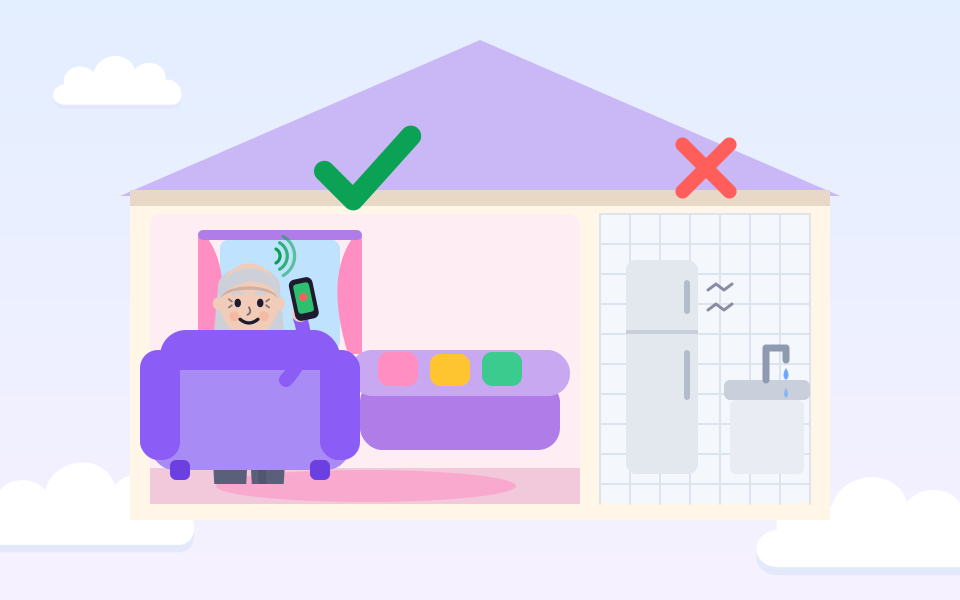
Soft rooms sound better than hard ones. A bedroom or a living room with curtains, cushions and a sofa is ideal. Kitchens and bathrooms, with their tiles and hard surfaces, tend to echo.
Hold the phone steady
Sit comfortably and hold your phone in front of you, roughly where you’d hold a book, or rest it on a table. Try to keep it at the same distance all the way through, so your voice doesn’t drift closer and further away.
Breathe normally and don’t worry about the odd pause. Bedtime stories are full of them. If you stumble over a word, simply carry on as you would at the bedside. A tiny slip sounds natural, and it’s far better than stopping and starting again mid-sentence.
Read at your normal bedtime pace
It’s tempting to speed up when you know you’re being recorded, or to put on a special reading voice. Try not to. The voice your child knows is the one you use every night, at the pace you use every night.
Imagine they’re tucked up beside you, and read the short story the way you’d read it to them. If you have a regional accent, keep it. If you usually put a little laugh into the funny bits, do that too. The aim is to sound like you on an ordinary evening, not like a newsreader.
Smile while you read
It sounds odd, but you can hear a smile. It warms the voice and softens the edges, which is exactly what you want in a bedtime story. If it helps, picture your child’s face as they settle down to listen.
Listen back, then let it go
When you’ve finished, listen back: your voice says hello first, so you hear it before you keep it. If something went wrong, like a cough, a barking dog or a buzzing phone, record again. You can have up to five tries and keep the one you like best.
Then stop. Hardly anyone likes the sound of their own voice played back, and your child won’t be listening for a perfect performance. They’ll be listening for you.
If you’re helping a grandparent who isn’t confident with phones, sit with them while they record, or do it together next time you visit. A few calm minutes now, and their voice is there at bedtime whenever it’s needed.
 Sweet dreams,The BellaBye teamWritten byThe BellaBye teamWe’re a family making bedtime stories for every child, read in the voices they love.